Why Monthly Filter Replacement Is Critical for Health
What Happens to Filters Over 30 Days:
Your HVAC vent filters work 24/7, capturing every particle that flows through the system. Dust from ductwork, pollen from outdoors, pet dander from throughout your home, and mold spores from damp areas all get trapped in the filter material. After 30 days, the filter becomes saturated with these captured allergens.
The Saturation Problem:
A saturated filter faces two critical issues. First, it loses allergen-blocking effectiveness – new particles pass through because the filter material is already loaded. Second, airflow becomes restricted as passages clog, forcing your HVAC system to work harder and potentially causing performance problems or system strain.
The Health Impact of Delayed Replacement:
Families who wait longer than 30 days to replace filters report return of allergy symptoms – sneezing, congestion, itchy eyes, nighttime coughing. The very allergens you paid to block start circulating through your home again. Additionally, a clogged filter can create back-pressure that stirs up dust in ductwork, making air quality even worse.
The EPA Recommendation:
The Environmental Protection Agency emphasizes regular filter maintenance as essential for indoor air quality. They rank indoor air pollution in the top 5 environmental health risks, with the average home collecting 40 pounds of allergens in ductwork annually. Fresh filters provide the first line of defense against these pollutants.
How Fresh MERV-3 Filters Work:
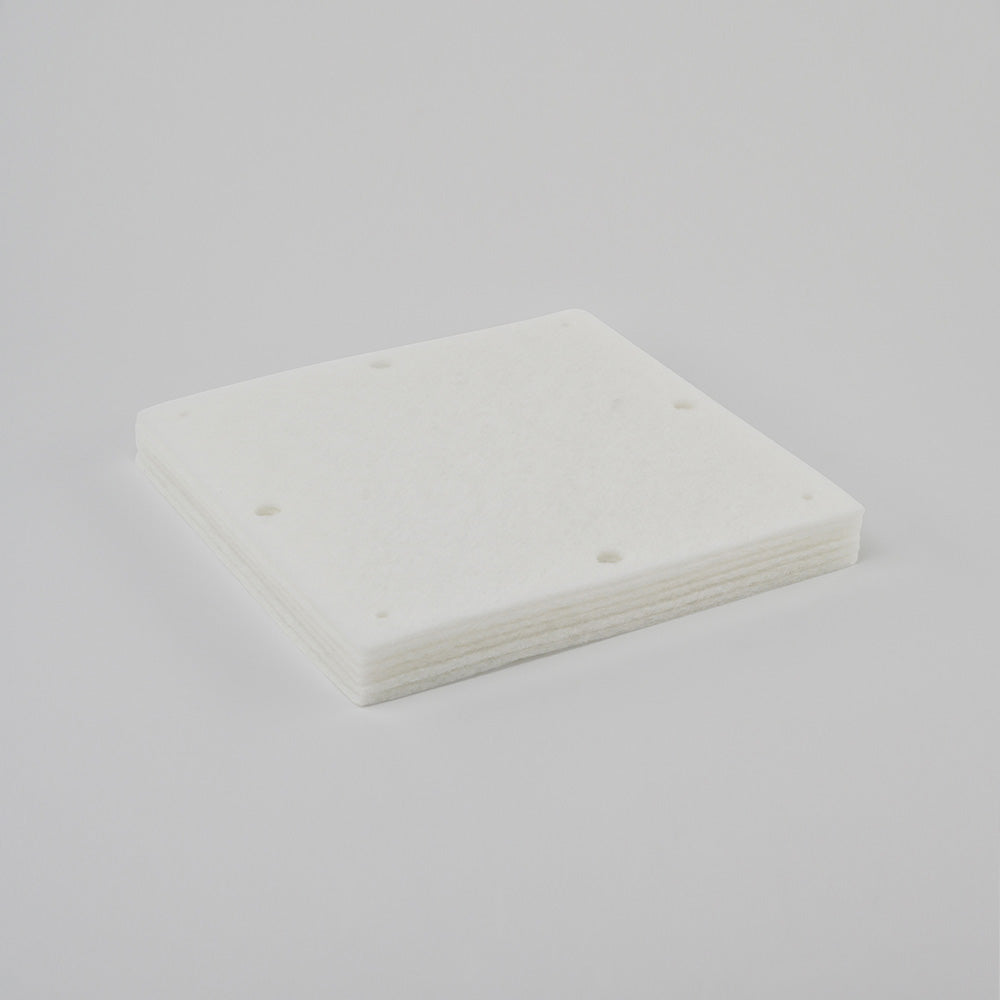
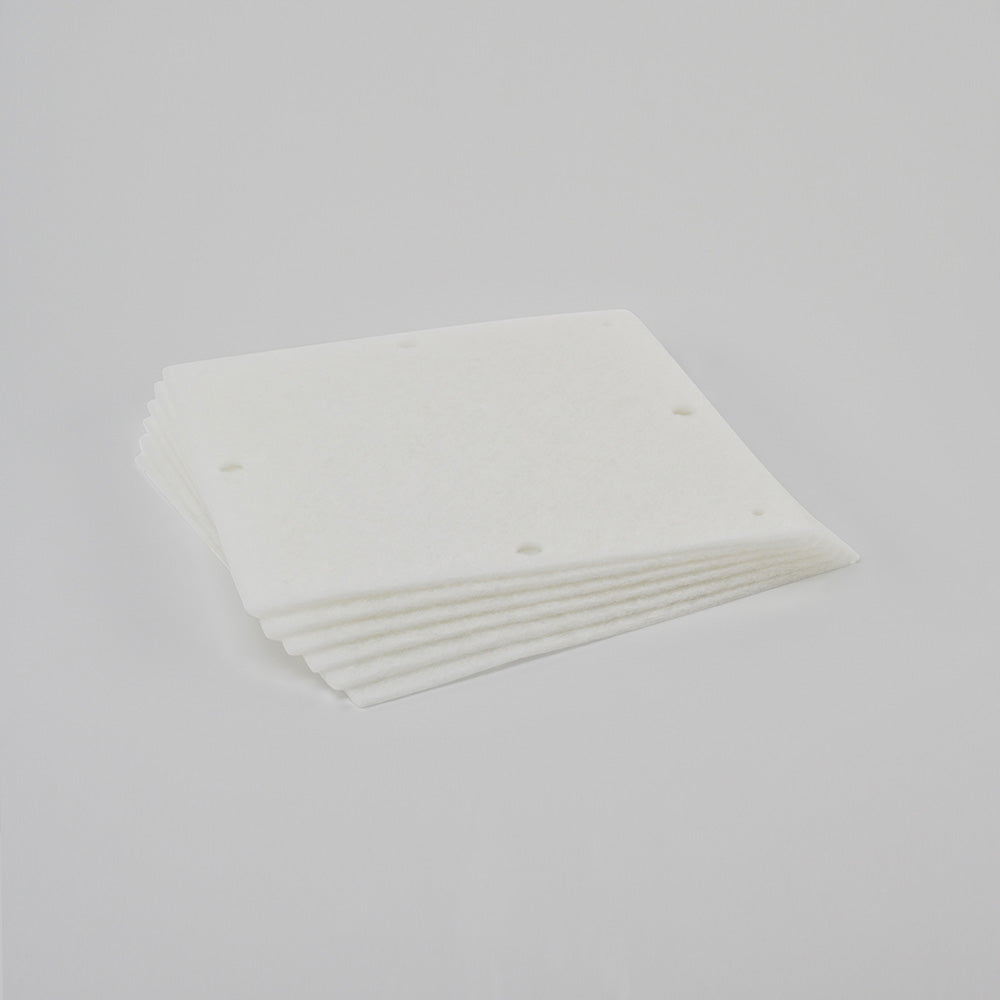
A new replacement filter has clean polyester fibers ready to capture allergens. As air flows through the vent, particles collide with and stick to the filter material. MERV-3 filters are specifically rated to capture common household allergens including pollen grains (10+ microns), dust mite debris, pet dander, mold spores, and lint. The filter does its job silently and continuously.
The 30-Day Science:
Testing shows that MERV-3 filters maintain optimal performance for approximately 30 days in typical residential use. After this period, allergen capture efficiency drops significantly. Factors affecting lifespan include: number of occupants, pets in home, outdoor air quality, HVAC system runtime, and season (higher pollen in spring/fall).
The Convenience of 6-Pack Supply:
By keeping a 6-pack on hand, you remove the friction from regular maintenance. Set a monthly recurring reminder on your phone or calendar. When the reminder alerts you, grab a fresh filter from your stock, swap it in 30 seconds, and your family continues breathing clean air. No emergency trips to the store, no rationalization about "just one more week."
The Cost of NOT Replacing:
Compare the cost of a replacement filter ($3-4 per month) against the cost of allergy medications ($20-40/month), doctor visits ($150+), lost sleep and productivity, or potential HVAC repair bills from restricted airflow. Regular filter replacement is the most cost-effective health maintenance investment you can make.